Introduction
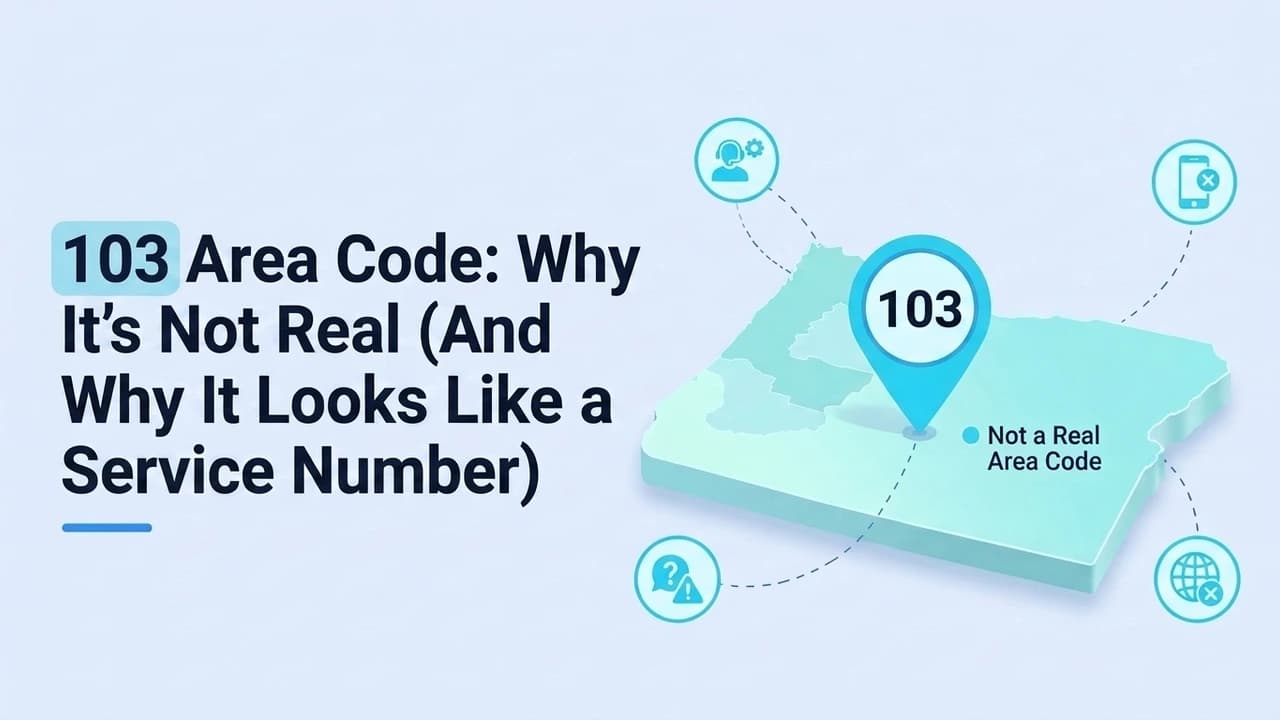
If your phone just flashed a call from the 103 area code, you are looking at a prefix that has never been issued to any carrier in North America, regardless of which app or device displayed it. That surprises people, because the number sits so close to real service codes like 411 and 911 that it feels official by association. This guide breaks down exactly why the 103 area code fails the numbering rules, why it gets mistaken for a reserved service line, and how a genuine overlay like area code 934 New York proves what a real assignment looks like. Stick around, and you will never mistake a fabricated prefix for a legitimate one again.
Key Takeaways:
- The 103 area code has never been assigned to any city, carrier, or region in the United States or Canada.
- Its first digit breaks the North American Numbering Plan format before the rest of the number even matters.
- People often mistake it for a service code because it sits so close to reserved N11 numbers like 411 and 911.
- The real 934 overlay in New York shows what a genuine, government-approved area code looks like in practice.
Why 103 Looks Official But Isn't a Real Area Code
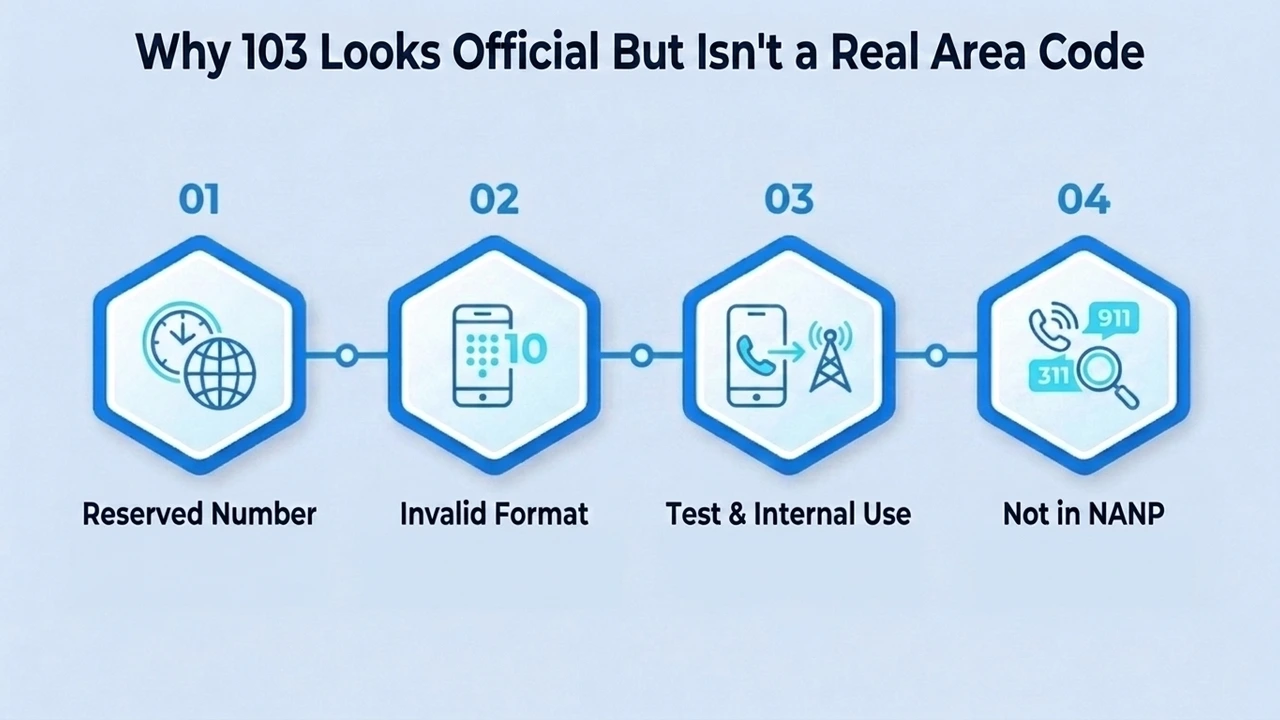
Most people assume any three digits in the caller ID slot must belong to a real place, and the 103 area code exploits that assumption perfectly. Its clean, round shape makes it look like a legitimate regional prefix at a glance, especially to someone who has never had a reason to question a caller ID before.
- No city, county, or state has ever had 103 assigned as its area code, in any regulatory filing or carrier record anywhere on file.
- Telecom directories and carrier databases universally list it as unassigned or flatly invalid.
- The code has never appeared in any NANPA relief plan, split, or overlay announcement anywhere in North America.
- Its numeric neighbors, like 102 and 104, are equally absent from every carrier's records, confirming this is a pattern, not a one-off gap.
- Even international dialing formats don't reserve 103 for anything, ruling out that explanation too.
- Smaller businesses running budget VoIP setups are especially prone to accidentally displaying prefixes like this on outbound calls.
The Reserved-Code Rule That Rules Out 103
Every valid area code in the United States and Canada follows one unbending format, and the 103 area code breaks it at the very first digit. Understanding this rule lets you judge any number in seconds, which saves time whenever an unfamiliar prefix flashes across your screen.
The Digit Every Area Code Must Start With
The North American Numbering Plan requires every area code to begin with a digit from 2 through 9. The digit 1 is reserved strictly as the long-distance access prefix, so nothing starting with 1 — including 103 — can ever be a valid regional code. This rule applies uniformly across every US state, Canadian province, and Caribbean territory inside the plan, with no regional exceptions carved out anywhere.
Why the 934 Overlay Never Ran Into This Problem
Regulators only ever draw new area codes from the approved 2-through-9 range, which is exactly why the 934 overlay exists as a legitimate area code in New York today. The 103 area code was never a candidate, because its format disqualified it before any numbering authority even considered it, long before population growth or number exhaustion ever entered the conversation.
Could That Call Be a Service Number Instead?
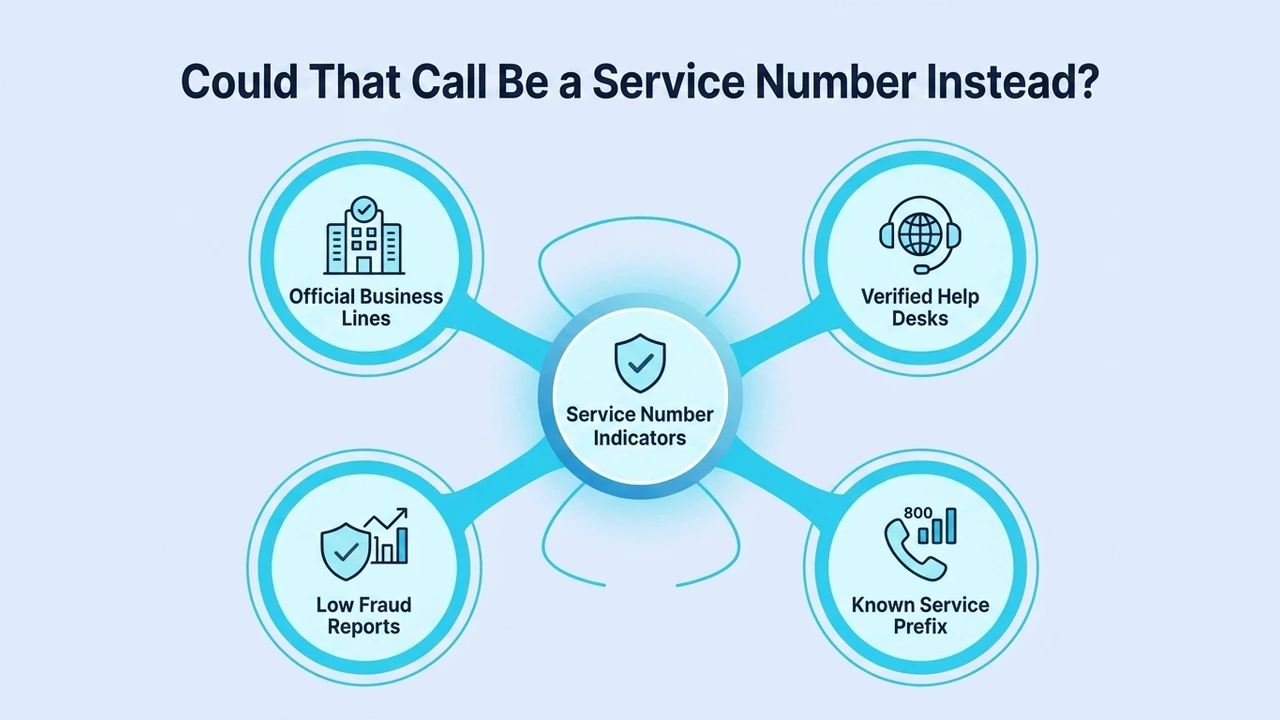
A big part of the confusion around the 103 area code comes from its resemblance to reserved N11 service codes. These three-digit numbers handle specific national functions, not regional calling, and most people encounter them so rarely that the distinction never gets tested.
- 411 connects to directory assistance in most of North America.
- 511 provides traffic and travel information in many states.
- 911 routes to emergency dispatch and is never used as an area code.
- 103 looks similar to these but has no such reserved function or carrier assignment at all.
- Unlike genuine N11 codes, 103 has no dedicated routing anywhere in the public switched telephone network.
Seeing "103" does not mean you reached a hidden service line — it almost always means the number was altered before it reached your phone, whether through spoofing software, a misconfigured dialer, or a simple entry error further upstream in the call chain.
Long Island's Real Overlay: How the 934 Area Code Works With 631
Comparing a fabricated code to a real one makes the gap between the 103 area code and a genuine assignment obvious. Area code 934 New York is a real overlay for Long Island that regulators activated to add capacity to the existing 631 region without displacing a single subscriber.
Why Suffolk County Needed a Second Code
Suffolk County's growing population, spanning Huntington to the Hamptons, was running through available 631 combinations faster than new splits could keep pace, as more homes, businesses, and mobile lines competed for the same finite set of endings. Rather than reassign existing customers, regulators layered the 934 overlay directly over the same Long Island footprint, preserving every customer's original number.
What Changed for Local Callers
- Area code 934 New York went into service on July 16, 2016, covering the identical territory as 631, right down to the same county lines.
- Ten-digit dialing became mandatory for every local call across both codes once the overlay activated.
- New subscribers in Suffolk County may receive either 631 or 934, with equal legitimacy in every carrier's records.
- The rollout followed a full public regulatory process, complete with published notices, something the 103 area code has never gone through.
- Communities from Huntington to Riverhead and the Hamptons all fall under this same shared numbering territory today.
3 Quick Checks Before You Call an Unfamiliar Number Back
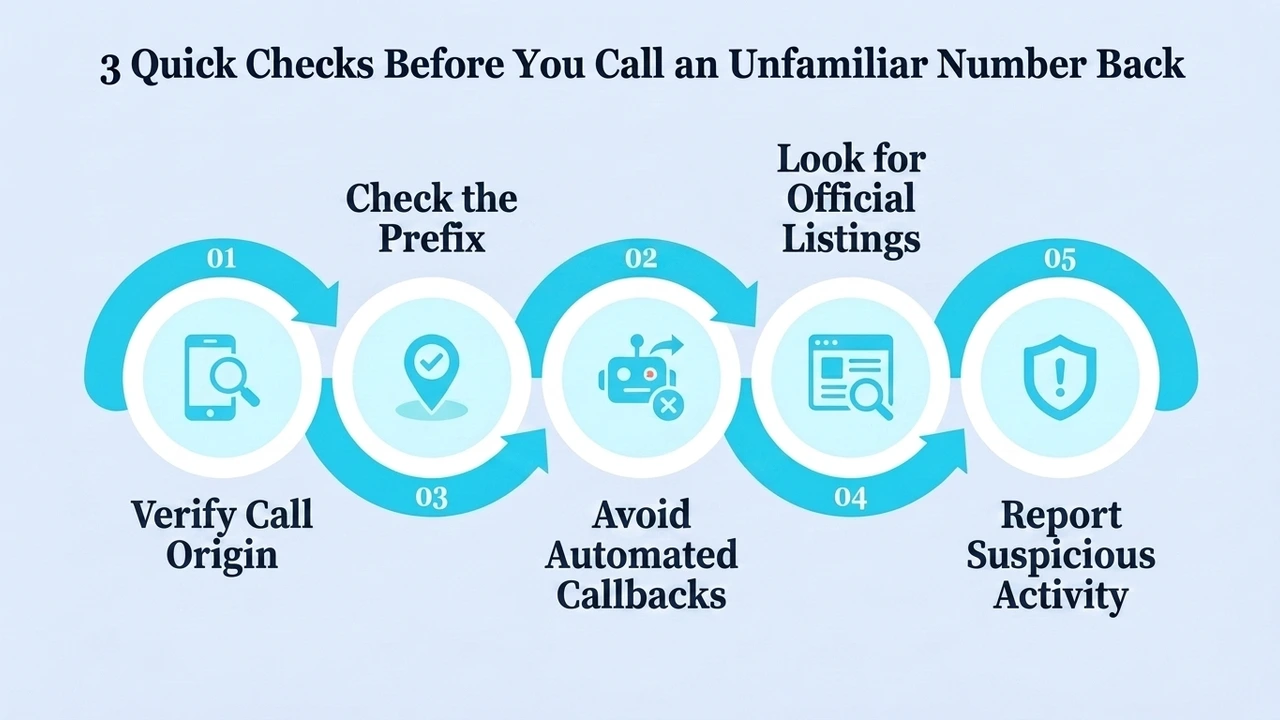
A short verification habit beats guessing every time an unusual prefix shows up on your screen. Run through these checks before you dial back or share any information with an unfamiliar caller.
- Confirm the first digit falls between 2 and 9 — the 103 area code fails this test immediately, so no further research is even needed.
- Search the full ten-digit number in a trusted reverse lookup tool rather than judging the area code alone, since scammers reuse the same prefixes repeatedly.
- If the call claims to be a service line, dial the known short code directly instead of trusting the caller ID, and report the pattern through the FCC guidelines for consumer complaints if it persists.
Protecting Your Business From Look-Alike Caller ID Numbers
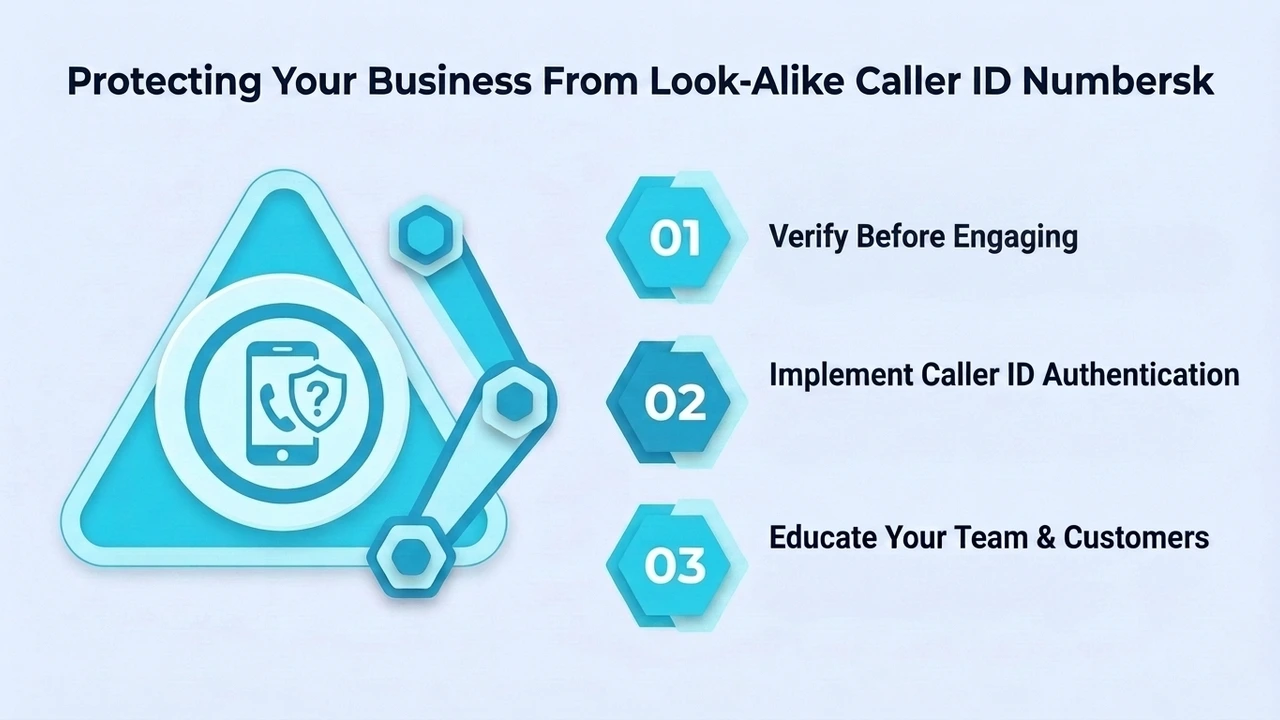
Businesses face the same look-alike problem from the other direction: making sure their own outbound numbers never resemble a fabricated prefix like the 103 area code. That mistake quietly erodes trust with every call placed, especially for sales and support teams dialing out at scale.
- Provision every outbound line through a carrier that issues real, NANP-compliant numbers, never placeholder digits.
- Use STIR/SHAKEN-authenticated calling so your caller ID cannot be confused with a spoofed or reserved-looking number.
- Choose local presence numbers, including legitimate overlays like area code 934 New York, so customers see a recognizable regional code every time.
- Rozper configures every business number so it always matches a real, assignable NANP region, never a fabricated or reserved-looking prefix, even during carrier migrations.
Rozper customers get this verification built into their outbound calling by default, which keeps every number they dial from looking as suspicious as a stray 103 area code, whether the team is five people or five hundred, and regardless of how many regions they operate across.
Conclusion
The 103 area code will never show up in a legitimate carrier directory because it breaks the same first-digit rule every real area code must follow, no matter how official it looks next to service numbers like 411 or 911, and comparing it against area code 934 New York shows the difference clearly — one went through a full regulatory rollout in 2016, and the other was never issued at all. Most calls displaying it trace back to spoofing software or a simple data error rather than any assigned regional carrier, so applying the same short verification habit to every unfamiliar number protects your time and your personal information going forward. Rozper builds that same clarity into every number it provisions, so your business never sends a confusing caller ID by accident. Start applying these checks today, and unfamiliar prefixes like a stray 103 area code stop being a mystery.
FAQs
Is 103 a real area code anywhere in North America?
No, this prefix does not exist in the US or Canadian numbering system. It fails the basic NANP rule requiring every area code to start with a digit between 2 and 9.
Why does 103 look like a service number to some people?
Its digits sit close to reserved N11 codes like 411 and 911, which handle directory assistance and emergency dispatch. That numeric neighborhood creates a false sense of legitimacy it doesn't actually have.
Should I answer a call showing this prefix?
Answering is generally safe, but never share personal or financial details with a caller you cannot verify. Hang up and contact the organization directly through a known number if anything feels off.
Does the 934 overlay cost more than 631 to call in New York?
No, the 934 overlay shares identical rates and coverage with 631 in New York, since it is an overlay, not a separate pricing region. Every local call requires ten-digit dialing either way.
How can I stop my own business numbers from looking suspicious?
Work with a provider that issues verified, carrier-grade numbers backed by STIR/SHAKEN authentication instead of placeholder digits. Rozper builds this protection into every number it provisions for growing teams.