Introduction
North Carolina went nearly forty years without adding a single new area code — until the 910 area code broke that streak in 1993. This guide covers where the 910 area code reaches today, the odd twist in how it survived the state's next big numbering split, and how to get a matching number for a home or business.
What Is the 910 Area Code?
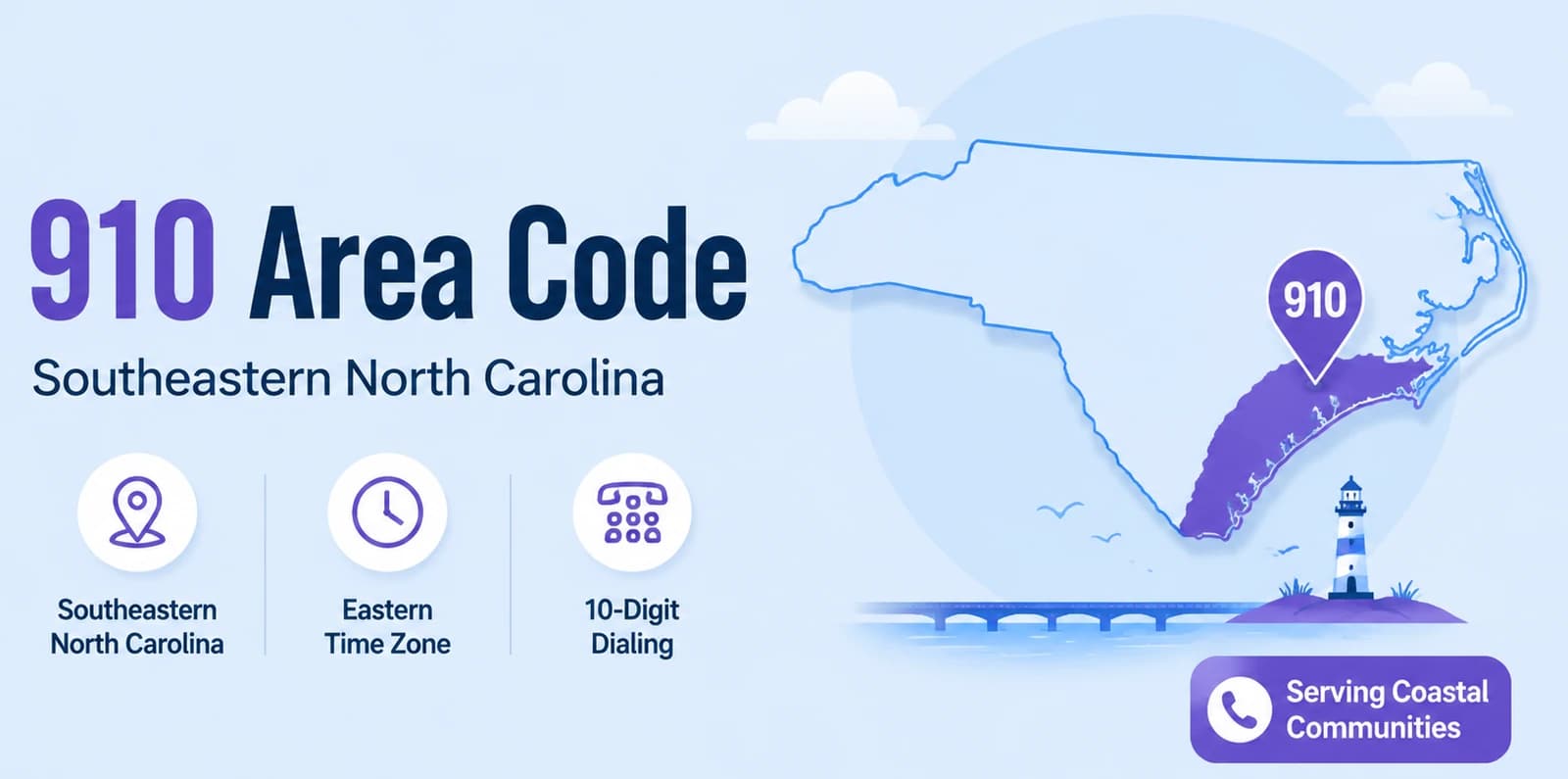
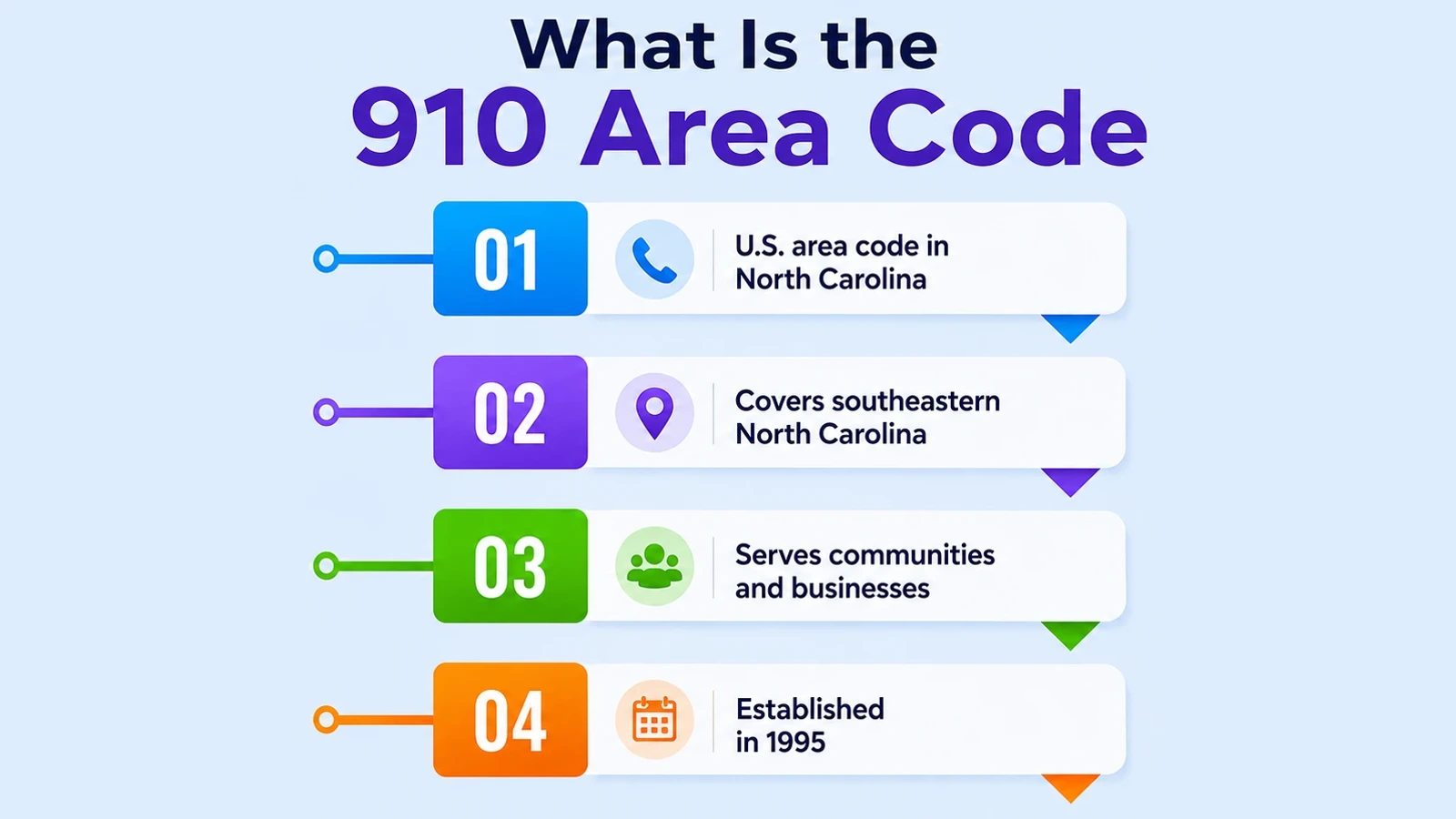
The 910 area code covers southeastern North Carolina, anchored by Fayetteville, Wilmington, and the coastal Cape Fear region. It went into service in 1993, split off from the original 919 area code, making it the state's first new area code in nearly four decades.
That original 910 territory was enormous, stretching in a fan shape across the Piedmont Triad, the Sandhills, and the southeastern coast. When regulators split the territory again in 1997 to create the 336 area code for the fast-growing Triad, the twist was that the less populous southeastern region kept the original 910 area code, while the denser Triad received the brand-new prefix instead — the reverse of how most area code splits typically play out.
Counties and Communities in the 910 Footprint
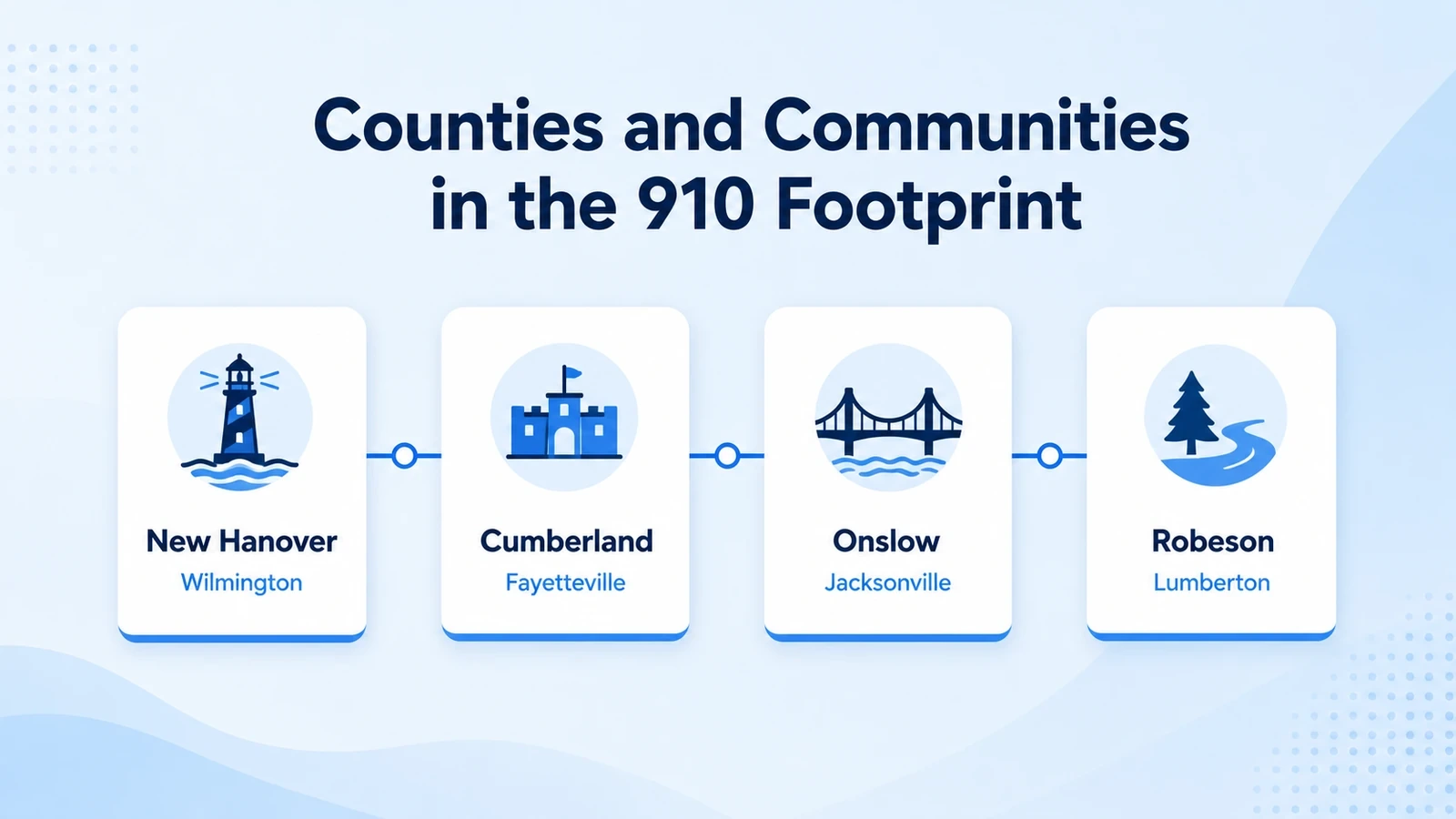
Geographically, area code 910 spans the southeastern corner of North Carolina, including Cumberland, New Hanover, Onslow, Robeson, Scotland, and Moore counties. Communities served by this prefix include:
- Fayetteville — the region's largest city and home to Fort Liberty
- Wilmington — a historic port city and coastal tourism hub
- Jacksonville — home to Marine Corps Base Camp Lejeune
- Lumberton and Laurinburg — Robeson and Scotland County seats
- Pinehurst and Southern Pines — Sandhills golf destinations in Moore County
That mix of military bases, port commerce, and golf-course tourism means a call from this prefix could come from a Fort Liberty office as easily as a Wilmington marina or a Pinehurst resort.
The 1993 Split and 1997 Twist That Shaped This Prefix
Area code 910 was carved out of the original 919 area code in 1993, when regulators determined that a single prefix could no longer serve both the fast-growing Research Triangle and the rest of the state's central and southeastern territory. Splitting off 910 gave North Carolina its second area code after decades of relying on 919 alone.
Just four years later, in 1997, regulators split 910 again to create the 336 area code for the Piedmont Triad — but rather than handing the new code to the smaller southeastern region, they gave 336 to the faster-growing Triad and let the southeastern coast keep 910. By 2022, growth had caught up with the southeastern territory too, and regulators added the 472 area code as an overlay to keep the region supplied with new numbers.
Why Businesses Choose the 910 Area Code
A local number still shapes how a business gets perceived by the community it serves, and that holds especially true in a region built around a major military base, a working port, and a steady stream of golf tourists. Customers across Fayetteville, Wilmington, and Jacksonville tend to trust a business more readily when its caller ID matches the area they already call home — it shortens the distance between a first call and an actual sale.
Business owners across southeastern North Carolina bring up a few consistent reasons for wanting a matching local line:
- It signals genuine local presence to customers across Fayetteville, Wilmington, and the surrounding Cape Fear region
- It builds instant familiarity with residents and military families who already recognize the prefix from daily life
- It supports regional marketing that references the Cape Fear coast and Sandhills by name
- It keeps a business memorable for people who associate the 910 area code with home
The Cape Fear Region Economy Behind the Numbers
The region covered by the 910 area code has grown steadily thanks to a mix of military spending, port commerce, and tourism. Fayetteville's economy leans heavily on Fort Liberty, one of the largest military installations in the world, while Jacksonville depends similarly on Camp Lejeune and the surrounding Marine Corps footprint.
Wilmington anchors port logistics and a growing film and tech sector, while Pinehurst and the Sandhills draw golf tourism that supports hotels, restaurants, and seasonal service jobs across Moore County. That mix of industries has translated into steady demand for local service providers — contractors, healthcare practices, hospitality businesses, and small retailers — all of whom benefit from a number that visibly matches area code 910 and the community they serve.
Getting a North Carolina Number Without a North Carolina Address
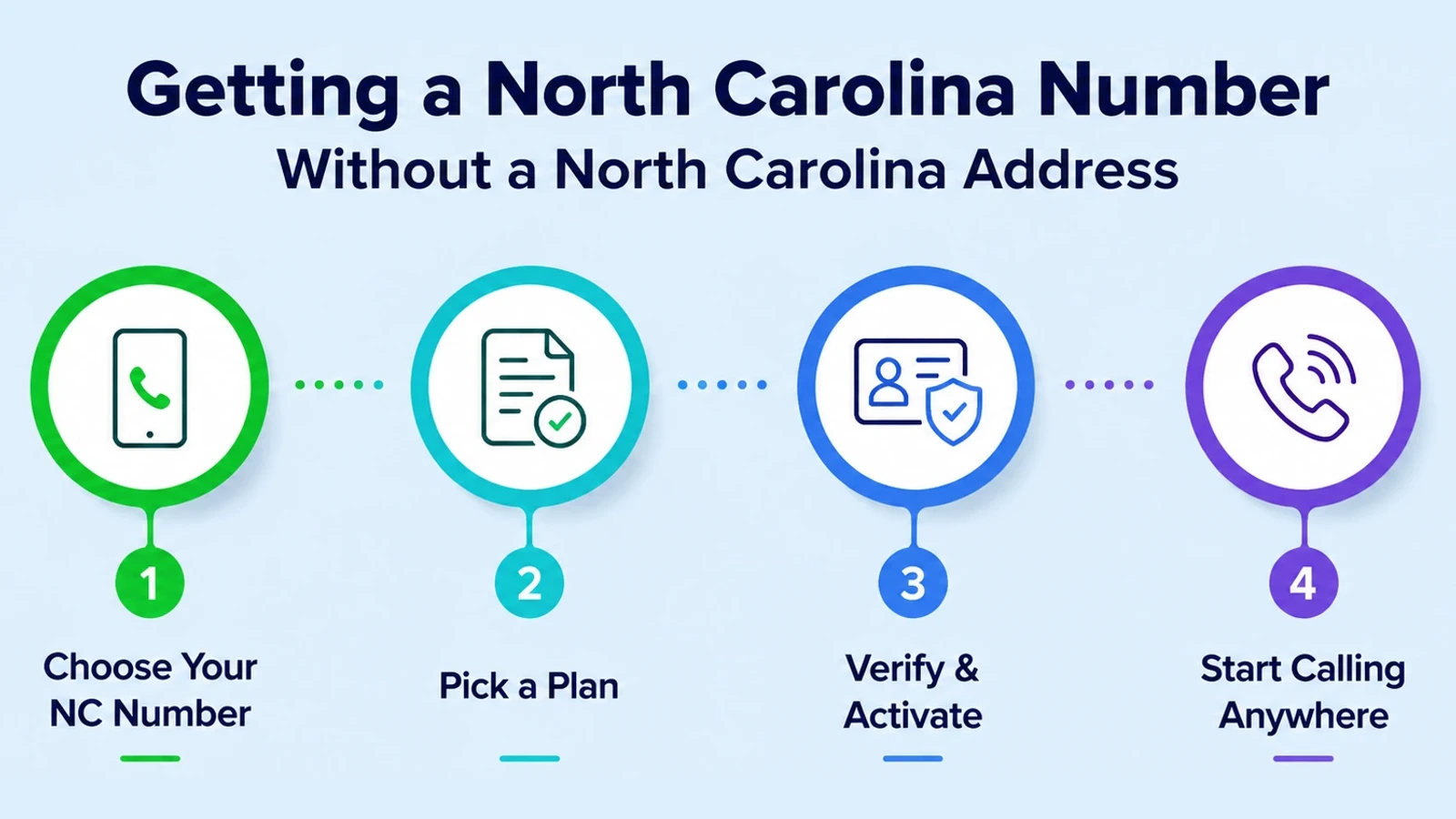
There are a few practical paths to acquiring a number in this prefix:
- Traditional landline — Order service directly through a regional phone carrier, though this option is increasingly rare and expensive to maintain.
- Mobile carrier port — Some wireless providers can assign a matching local number if you're physically located in the coverage area, but availability isn't guaranteed.
- Cloud-based virtual numbers — The fastest, most flexible route today. A virtual phone number provider lets you claim a matching local number in minutes, without needing a physical address or hardware in North Carolina.
This is where a platform like Rozper becomes useful, particularly for businesses that want a Fayetteville or Wilmington presence without opening a physical office there. Rozper provides virtual numbers across 150+ countries and thousands of U.S. area codes, backed by 99.999% uptime, so a company operating in 910 area code territory can activate a matching Fayetteville or Wilmington number and start routing calls the same day. Instead of juggling contracts with regional carriers, teams get one dashboard, transparent custom pricing, and genuine human support when something goes wrong.
For remote teams, e-commerce sellers, or franchises expanding into southeastern North Carolina, this kind of setup means customer-facing calls can carry a local Cape Fear number even if every employee is working from somewhere else entirely.
Why People Look Up This Prefix
Most searches around the 910 area code fall into a handful of categories:
- Unknown callers — checking whether a missed call from an unfamiliar North Carolina number is legitimate or spam
- Business setup — entrepreneurs establishing a Fayetteville or Wilmington contact number
- Relocation — new residents, including military families, wanting to keep a familiar local number after moving to or from the region
- Verification — confirming that a company claiming to operate in Fayetteville or Wilmington actually has a matching phone prefix
Scam calls occasionally spoof legitimate prefixes, including this one, to appear trustworthy. If a call seems suspicious, verifying the caller through an official channel before sharing any personal information is always the safer move.
The Federal Rules Behind Area Code Boundaries
Area code boundaries aren't set arbitrarily. In the United States, they're managed under the North American Numbering Plan, with oversight from the Federal Communications Commission, which coordinates how prefixes like the 910 area code are created, split, or expanded as population and demand shift over time. That official numbering framework is why this prefix's boundaries have stayed consistent since 1993, no matter which carrier or provider assigns the individual number.
Conclusion
The 910 area code is more than just a set of digits — it's the connective thread across Fayetteville, Wilmington, Jacksonville, and the Cape Fear communities between them. Whether you're trying to identify an unfamiliar caller or planning to establish a local presence in southeastern North Carolina, understanding how this prefix works makes the process far less confusing. And for anyone looking to set up a number quickly, virtual number providers have made claiming a local North Carolina number simpler than it's ever been.
FAQs
Where is the 910 area code located?
This prefix covers southeastern North Carolina, including Fayetteville, Wilmington, Jacksonville, and the Sandhills. It stretches from the Piedmont border to the Cape Fear coast.
Is a call from this North Carolina prefix likely to be a scam?
Not inherently. Like any prefix, it can be spoofed by scammers, but the vast majority of these numbers belong to real North Carolina residents and businesses.
Can I get a 910 number if I don't live in North Carolina?
Yes. Virtual phone number providers let you activate a local number remotely, without needing a physical North Carolina address.
What area code did 910 split from?
It split from the original 919 area code in 1993, and kept its territory in 1997 when the faster-growing Piedmont Triad received the new 336 area code instead.
How many counties does the 910 area code cover?
Area code 910 spans southeastern North Carolina, including Cumberland, New Hanover, Onslow, Robeson, Scotland, and Moore counties.