In Houston, nobody places a local call in seven digits anymore — you dial all ten, every time, because the metro runs on overlapping area codes. Why a 281 number still signals "Houston local" to anyone who sees it on caller ID is what this guide covers: the overlay it belongs to, the cities it serves, its history, and how business setup works.
What is the 281 area code?
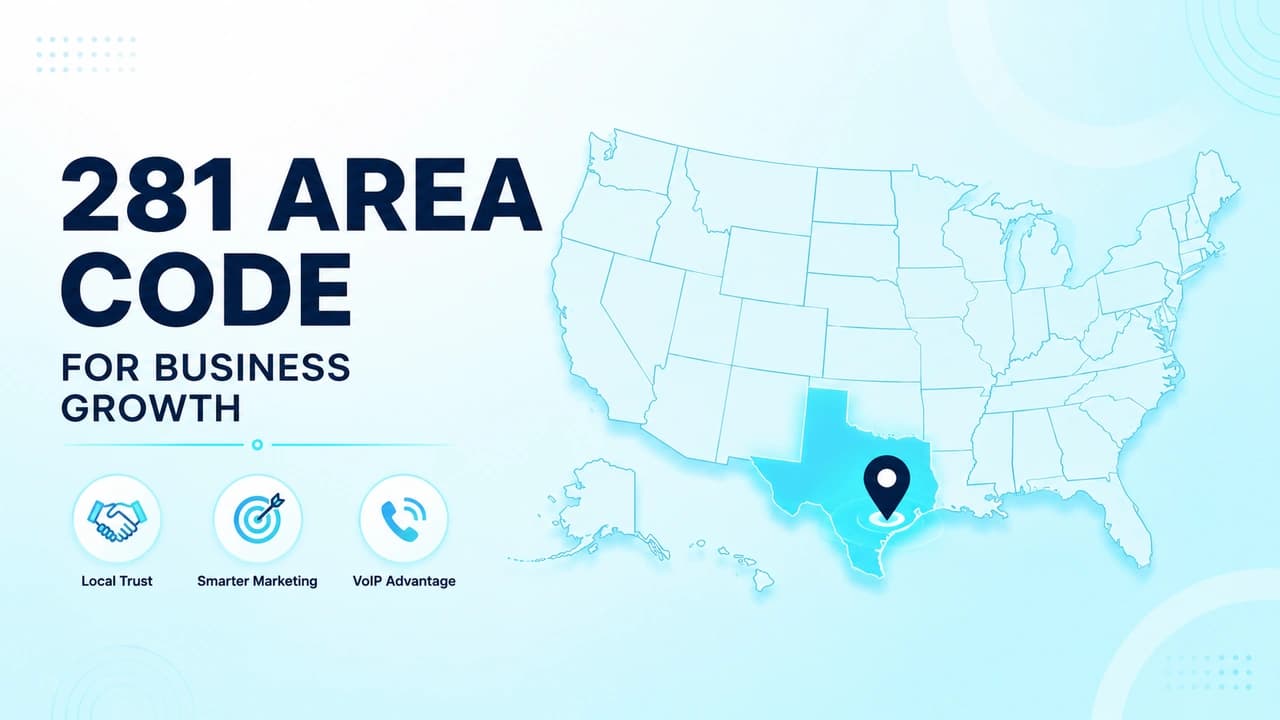
The 281 area code is a Houston-area code in the U.S. state of Texas. It covers the city of Houston and a wide ring of surrounding communities, sitting in the Central Time Zone — Central Standard Time (UTC−6) in winter and Central Daylight Time (UTC−5) under daylight saving.
What makes area code 281 different from a typical area code is that it doesn't hold territory of its own. It's an overlay: 281 shares the exact same geographic footprint as several other Houston codes, layered on top of one another so the region never runs out of numbers.
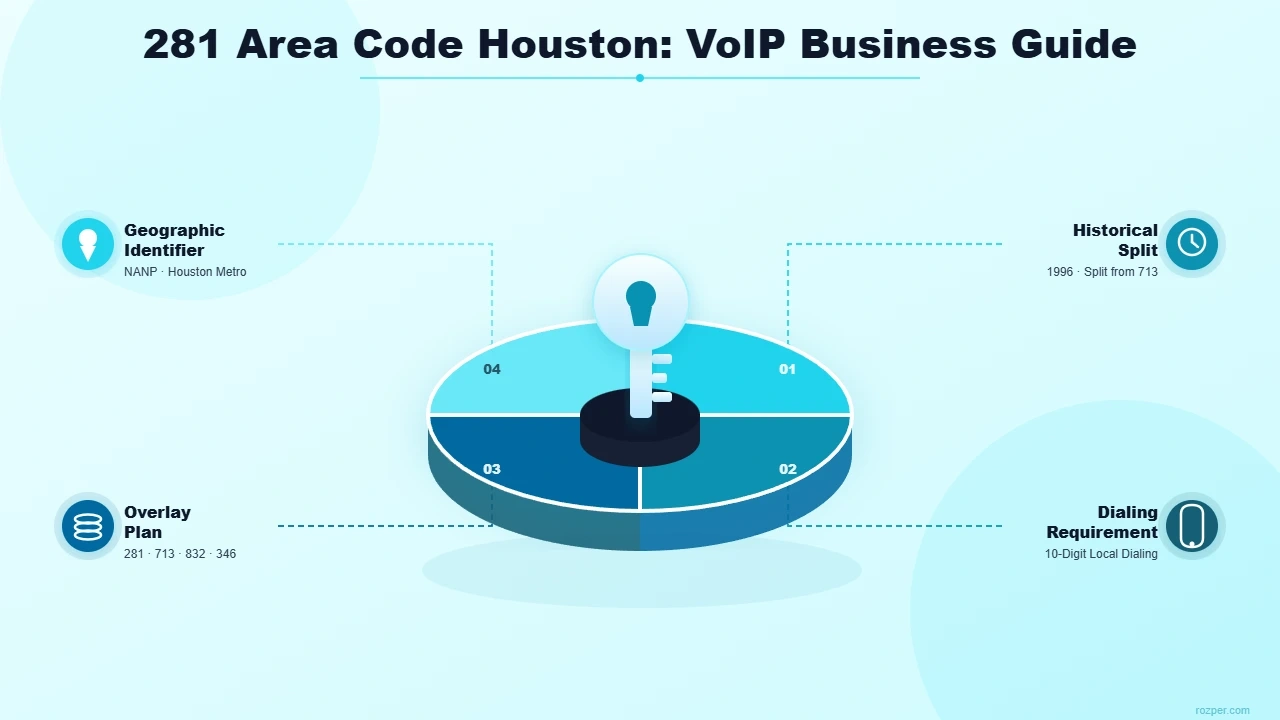
The Houston overlay: 713, 281, 832, and 346
Houston's phone numbers come from a family of area codes that all serve the same place:
- 713 — the original Houston area code
- 281 — added in 1996 to relieve 713
- 832 — added in 1999 as the metro kept growing
- 346 — the newest overlay, added in 2014
Because four codes cover one region, two phone numbers on the same street can carry different area codes, and ten-digit dialing is mandatory for every local call. For a business, the practical takeaway is simple: 713, 281, 832, and 346 all read as "Houston" to locals. A 281 number is just as local as any of them. Businesses with statewide reach should also understand neighboring codes; the 210 area code serves the San Antonio region under a similar overlay framework.
Cities and counties in the 281 area code
The 281 area code spans the greater Houston region, covering Harris, Fort Bend, Montgomery, Galveston, and Brazoria counties, plus portions of Liberty and Chambers counties.
Cities and communities served by the 281 overlay include:
- Houston — the metro's core and the fourth-largest city in the U.S.
- Sugar Land — a major Fort Bend County suburb
- Pearland — one of the fastest-growing suburbs south of the city
- Pasadena — an industrial hub southeast of Houston
- The Woodlands — a large master-planned community to the north
- Katy — a booming suburb on the west side
- League City and Friendswood — Bay Area communities toward Galveston
- Baytown, Humble, Kingwood, Spring, Tomball, Cypress, Missouri City, and Stafford
The 281 area code touches dozens of cities, giving it broad local reach across the Houston metro.
A brief history of the 281 area code
The 281 area code went into service on November 2, 1996, created to relieve the original Houston code, 713, which was running out of available numbers as the region boomed. It was the 184th area code put into service in North America, a milestone that reflects the explosive growth documented by the City of Houston across its sprawling metropolitan region.
As demand kept climbing, the city shifted to an overlay model — adding 832 in 1999 and 346 in 2014 — so all codes share the same map. That's why a single Houston household might carry a 713 landline, a 281 cell, and an 832 work line without anyone moving an inch. Area code 281 evolved from a relief measure into a defining part of the Houston identity.
281 area code at a glance
| Detail | Information |
|---|---|
| Region | Houston metro, Texas |
| In service since | November 2, 1996 |
| Type | Overlay (relief for 713) |
| Related codes | 713, 832, 346 |
| Time zone | Central (CST / CDT) |
| Counties | Harris, Fort Bend, Montgomery, Galveston, Brazoria (+ parts of Liberty, Chambers) |
| Dialing | 10 digits required for all local calls |
Why a 281 number matters for Houston business
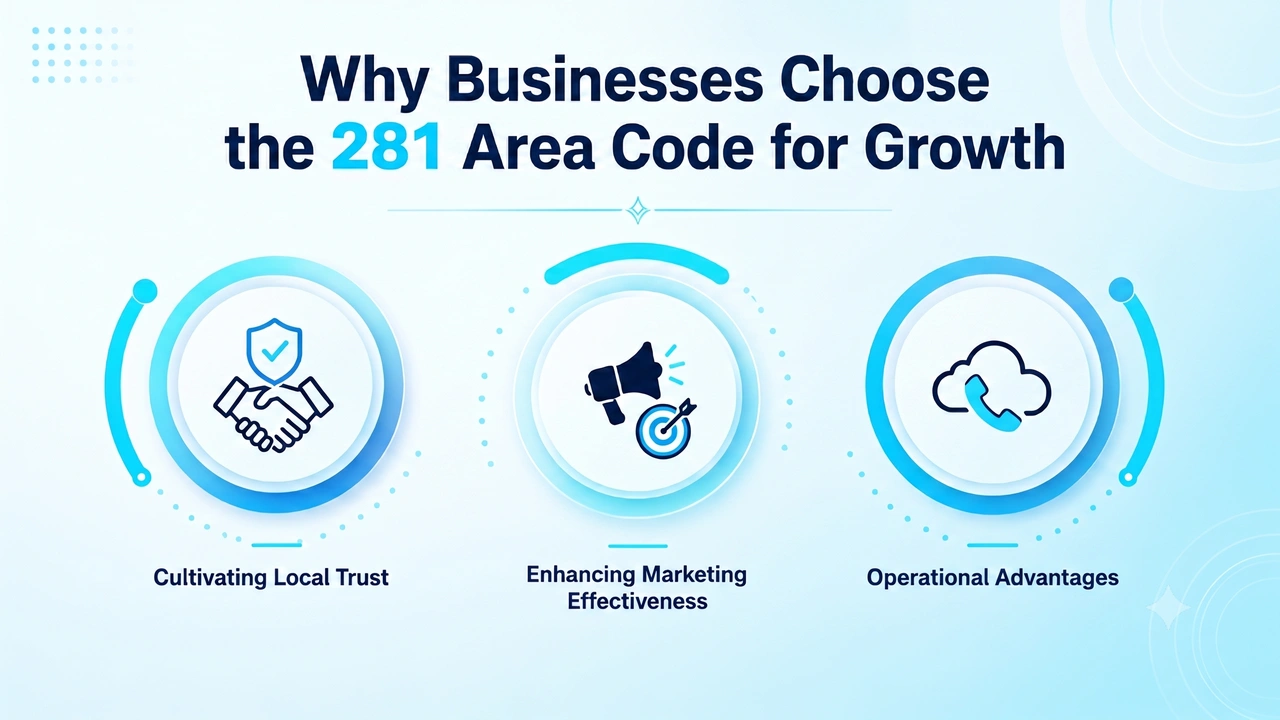
Houston is a huge, competitive market, and out-of-state numbers stand out for the wrong reasons. A 281 area code number does the quiet work of telling customers you're part of the metro before they even answer.
A local area code 281 presence helps in several ways:
- People answer local calls more often. A matching area code beats an unfamiliar toll-free or out-of-state number for pickup rates.
- It builds trust fast. In a market this size, "local" reads as established and reachable.
- It strengthens local marketing. A 281 number reinforces every Houston-targeted ad, Google Business Profile, and directory listing you run.
- It works without an office. Remote teams can hold a real Houston presence without leasing space in the metro.
Virtual phone numbers fix the limitation of old-fashioned lines by routing calls to any device, anywhere — and that's where a cloud provider comes in.
How to get a 281 area code number
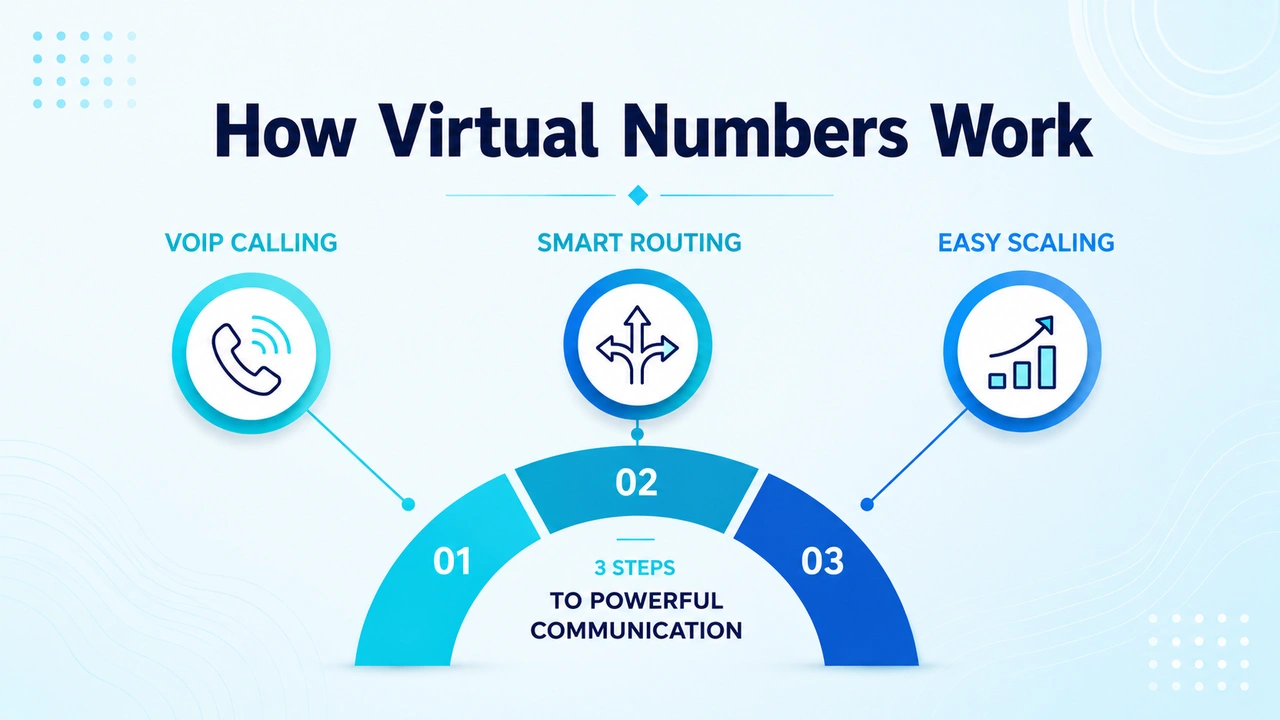
You don't need a Houston address to own a 281 number. With a cloud phone provider, getting one is a software process that usually takes the same day:
- Pick a provider that offers local 281 numbers and the calling features your team needs.
- Choose your 281 number from available inventory.
- Set up routing — forward to mobiles, ring a sales team, add voicemail, or build an auto-attendant.
- Publish it everywhere — website, ads, listings, signatures — and start taking calls.
Rozper provisions area code 281 virtual lines so a 281 call can ring a laptop or phone in another state with no hardware to install. Houston numbers activate in minutes.
Getting the most from your 281 number
The number is the start; the payoff comes from using it well across the market.
- Local SEO: Keep your 281 number consistent across your website, Google Business Profile, Yelp, and local directories so search engines tie you to the metro.
- Geo-targeted ads: Use the 281 number as the call-to-action in campaigns aimed at Harris and Fort Bend counties.
- Website prominence: Put it in your header, footer, and contact page for one-tap calling.
For heavy call volume, pairing a 281 number with a cloud contact center adds queues and routing so no Houston lead goes unanswered. Businesses expanding into Gulf Coast markets may also benefit from the 228 area code for Mississippi Gulf Coast reach.
Spotting 281 spam and scam calls
A call from 281 is usually a real Houston number, but scammers can spoof any local area code to look familiar. A few habits keep your 281 line trustworthy.
- Don't act on surprise calls. Never share payment details or one-time codes based on an unexpected call, even a local-looking one.
- Use a provider with call protection. Spam filtering and caller verification separate genuine customers from robocalls.
Choosing a 281 area code provider
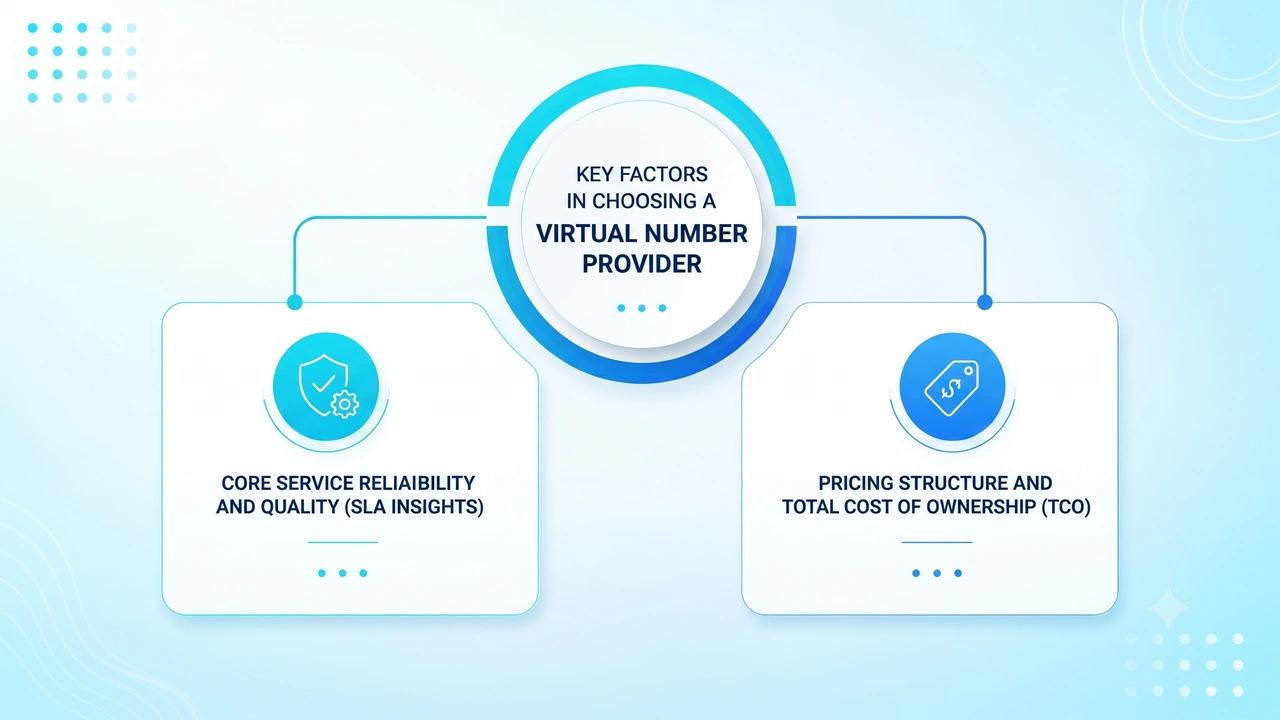
Providers vary widely. When picking one for a Houston number, weigh these factors:
- Uptime. Look for infrastructure built for 99.999% uptime so your 281 line stays answerable.
- Room to grow. The same provider should carry you well past the Houston metro as your business expands.
- Pricing that fits. Custom pricing shaped around how your team uses the line beats a rigid one-size-fits-all tier.
Conclusion
The 281 area code is one of four codes keeping America's fourth-largest city connected — to customers across Houston, Sugar Land, Pearland, Katy, and the suburbs in between, it simply reads as local. Whether you run a storefront in Harris County or a remote team chasing the Houston market, a 281 area code number puts a familiar prefix on your caller ID. With a cloud provider, claiming one is quick and never chains you to a single desk.
FAQ
Where is the 281 area code located? It serves the Houston metro in Texas, covering Harris, Fort Bend, Montgomery, Galveston, and Brazoria counties (plus parts of Liberty and Chambers), including Houston, Sugar Land, Pearland, Katy, and The Woodlands in the Central Time Zone.
Is 281 the same as 713 and 832? Effectively, yes. 281, 713, 832, and 346 are overlays covering the same Houston region, and every local call requires ten-digit dialing.
Can I get a 281 number if my business isn't in Houston? Yes. A cloud or virtual phone provider can give you a 281 number no matter where your team is based, routing calls to any device without a local office.
How fast can I start using a 281 number? With a cloud provider, setup is usually same-day — choose an available number, configure routing, and begin taking calls with no hardware required.