Introduction
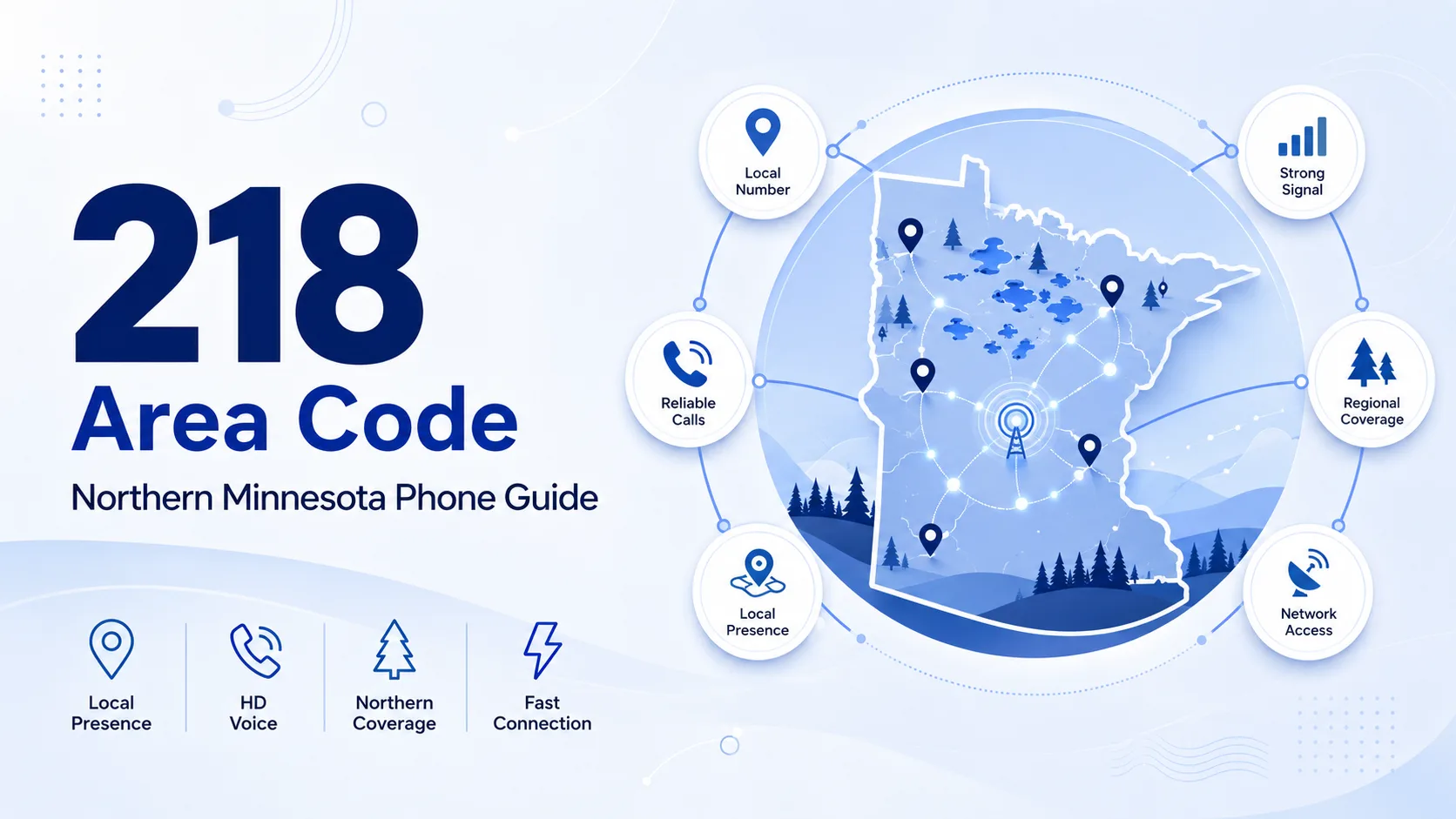
Getting a call from an unfamiliar number is nothing new, but a call from the 218 area code means one thing specifically: someone is reaching out from northern Minnesota. Whether you're trying to place a business there, screening an incoming call, or simply curious why the area code covers so much ground, this guide walks through everything the 218 area code represents — where it sits, who uses it, and why it still works the same way it did in 1947.
Key Takeaways:
- The 218 area code covers northern Minnesota, from the Canadian border to the Brainerd Lakes area, spanning more counties than any other Minnesota prefix.
- It was assigned in 1947 as one of the state's original three area codes, alongside 612 and 507.
- Unlike the Twin Cities' codes, 218 has never split or added an overlay — its footprint hasn't changed in nearly 80 years.
- Businesses can activate a local 218 number through Rozper without opening an office anywhere in the region.
What Is the 218 Area Code?
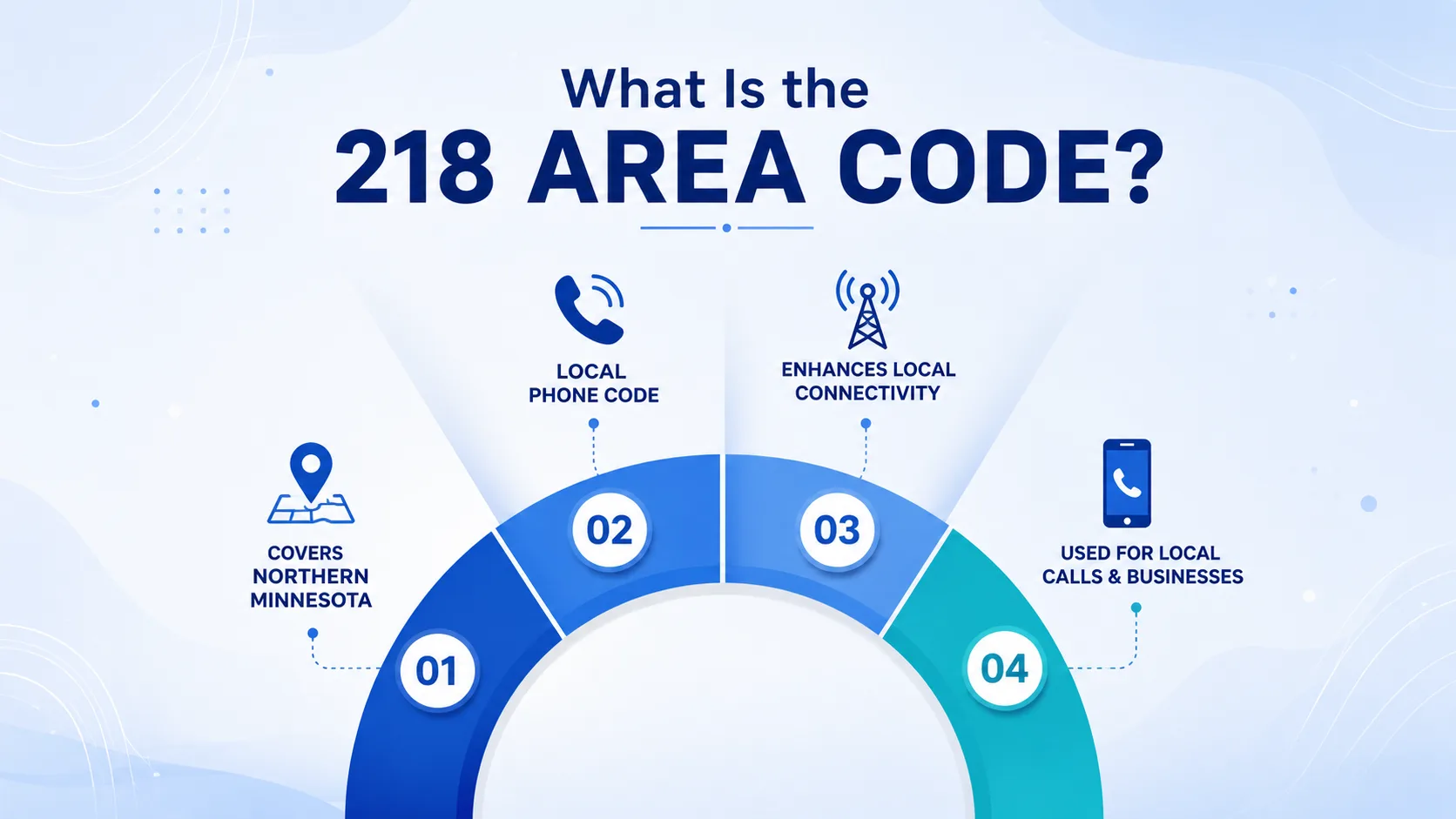
The 218 area code is the telephone prefix assigned to the northern third of Minnesota. It was one of the state's original three area codes, handed out in the first nationwide area code rollout in 1947, alongside 612 for the Twin Cities and 507 for the south. Nearly 80 years later, it still covers the exact same territory, making it one of the most stable area codes in the country.
- Assigned: 1947, part of the original North American Numbering Plan rollout
- Region covered: Northern Minnesota, from the Canadian border to the Brainerd Lakes area
- Overlay code: None — 218 has never needed to split or add a second code
- Time zone: Central Time
Counties and Communities in the 218 Footprint
The 218 area code spans more counties than any other area code in Minnesota. Its territory includes:
- Duluth — St. Louis County, the region's largest city and a major Lake Superior port
- Bemidji — Beltrami County, home to Bemidji State University and the Mississippi River headwaters
- Brainerd — Crow Wing County, anchor of the Brainerd Lakes vacation area
- International Falls — Koochiching County, the northernmost city on the US-Canada border
- Grand Rapids and Hibbing — Itasca and St. Louis Counties, historic Iron Range mining towns
- Moorhead — Clay County, paired with Fargo, North Dakota, across the Red River
Why the 218 Area Code Has Never Split
Most area codes this old eventually run out of number combinations and need an overlay — a second code layered over the same territory. The Twin Cities, for example, started with 612 and eventually added 651, 763, and 952 to keep up with demand. The 218 area code never has, and the reason comes down to geography, not luck.
A Region Too Spread Out to Run Out of Numbers
Northern Minnesota's population density is a fraction of the Twin Cities metro. Fewer residents and businesses means fewer numbers get assigned each year, so the original pool of 218 combinations has lasted nearly eight decades without relief.
What That Stability Means for Callers
Because there's no overlay, every phone number in the region still starts with the same three digits. Callers never have to guess whether a business number is 218 or something else — if it's northern Minnesota, it's 218.
Why Businesses Choose the 218 Area Code
A local area code does more than route calls correctly — it changes how customers respond before they even answer.
- Local numbers get answered more often than unfamiliar or out-of-state numbers
- A 218 number signals that a business understands the region, not just sells into it
- It keeps marketing and directory listings consistent across every town served
- Customers can save and recognize the number without confusion
- It removes the "long distance" hesitation some rural customers still associate with unfamiliar prefixes
Northern Minnesota's Economy Behind the Numbers
The 218 area code doesn't just cover a large map — it covers a genuinely diverse regional economy that shapes why businesses want a local presence there.
- Lake Superior shipping — Duluth is one of the busiest inland ports in the country, moving iron ore, grain, and coal
- Iron Range mining — Hibbing, Virginia, and Grand Rapids anchor one of the largest iron ore deposits in the US
- Tourism — the Brainerd Lakes area and Bemidji's lake country draw visitors year-round for fishing, cabins, and outdoor recreation
- Higher education — Bemidji State University and the University of Minnesota Duluth bring steady student and staff populations
- Forestry and agriculture — timber and farming remain major employers across the region's smaller counties
Getting a Minnesota Number Without a Minnesota Address
You don't need a physical office in Duluth or Bemidji to answer calls like a local business does. Businesses serving northern Minnesota remotely typically follow the same basic process:
- Choose the towns you want a local presence in — a business covering both Duluth and Bemidji may want more than one number.
- Set up call routing so every 218 number lands with the same team, no matter where they're based.
- Configure voicemail and hours to match how the local market actually operates.
- Track call volume by number to see which towns are generating the most interest.
Rozper handles this setup without requiring separate phone hardware or a physical Minnesota office — calls route to whichever team already handles your customers.
Why People Look Up This Prefix
Searches for "218 area code" tend to come from a handful of specific situations:
- An unrecognized call — checking whether a 218 number is a real business or a scam attempt
- Relocation — someone moving to or from northern Minnesota wanting to understand local dialing
- Business expansion — a company evaluating whether to set up a local presence in the region
- Number confusion — mistaking 218 for a nearby state code given how large its territory is
The Federal Rules Behind Area Code Boundaries
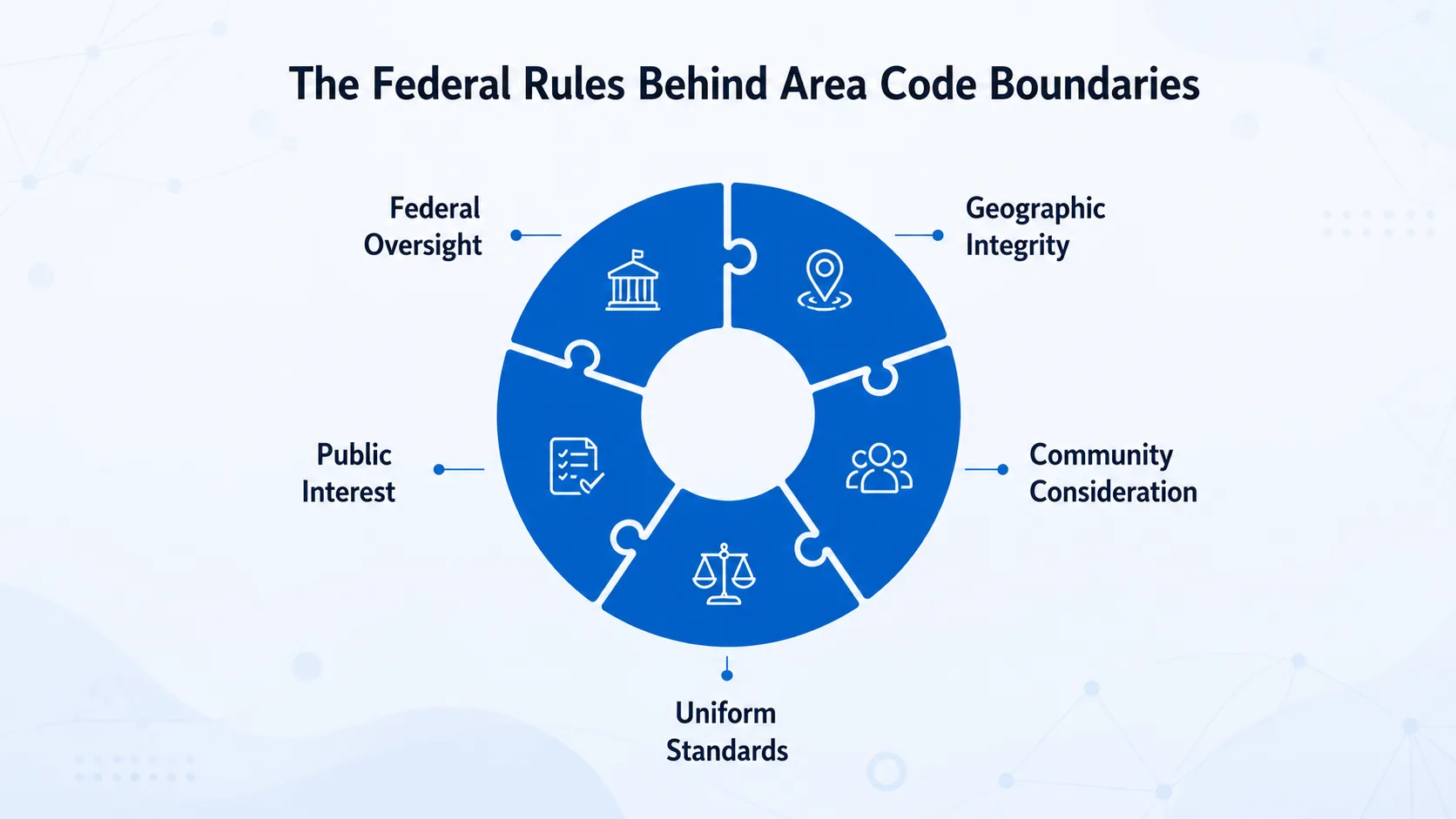
Area codes aren't assigned arbitrarily. The North American Numbering Plan Administrator (NANPA) manages the entire numbering system under FCC oversight, deciding when a region needs a new area code and where its boundaries fall. Ten-digit dialing became mandatory nationwide in 2021 to support the 988 mental health hotline, which means every call — even within the same town — now requires the full area code. The 218 area code's boundaries have stayed untouched since 1947 specifically because usage has never approached the threshold that would trigger a federally mandated split or overlay.
Conclusion
The 218 area code covers more of Minnesota than any other, linking Duluth, Bemidji, Brainerd, and dozens of smaller towns under one shared code that hasn't changed since 1947. Its size comes from geography, not population, which is why it has never needed the overlay codes that eventually caught up with the Twin Cities. Knowing where it sits on the map, why it's stayed intact this long, and how the local economy behind it works gives you the full picture — whether you're answering a call, moving to the region, or setting up a business presence there.
FAQs
Where is the 218 area code located?
This prefix covers northern Minnesota, including Duluth, Bemidji, Brainerd, and International Falls. It stretches from the Canadian border down to the Brainerd Lakes area, spanning more counties than any other area code in the state.
Is a call from this Minnesota prefix likely to be a scam?
Not inherently. Like any area code, it can be spoofed by scammers, but the vast majority of 218 numbers belong to real northern Minnesota residents and businesses.
Can I get a 218 number if I don't live in Minnesota?
Yes. Providers like Rozper let you activate a local 218 number remotely, without needing a physical Minnesota address.
Has the 218 area code ever split or gotten an overlay?
No. It has covered the same territory since 1947, making it one of the most stable area codes in the country, unlike the Twin Cities' 612, which later split off 651, 763, and 952.
How many counties does the 218 area code cover?
Area code 218 covers dozens of counties across northern Minnesota, from St. Louis and Beltrami to Koochiching and Crow Wing.