Introduction
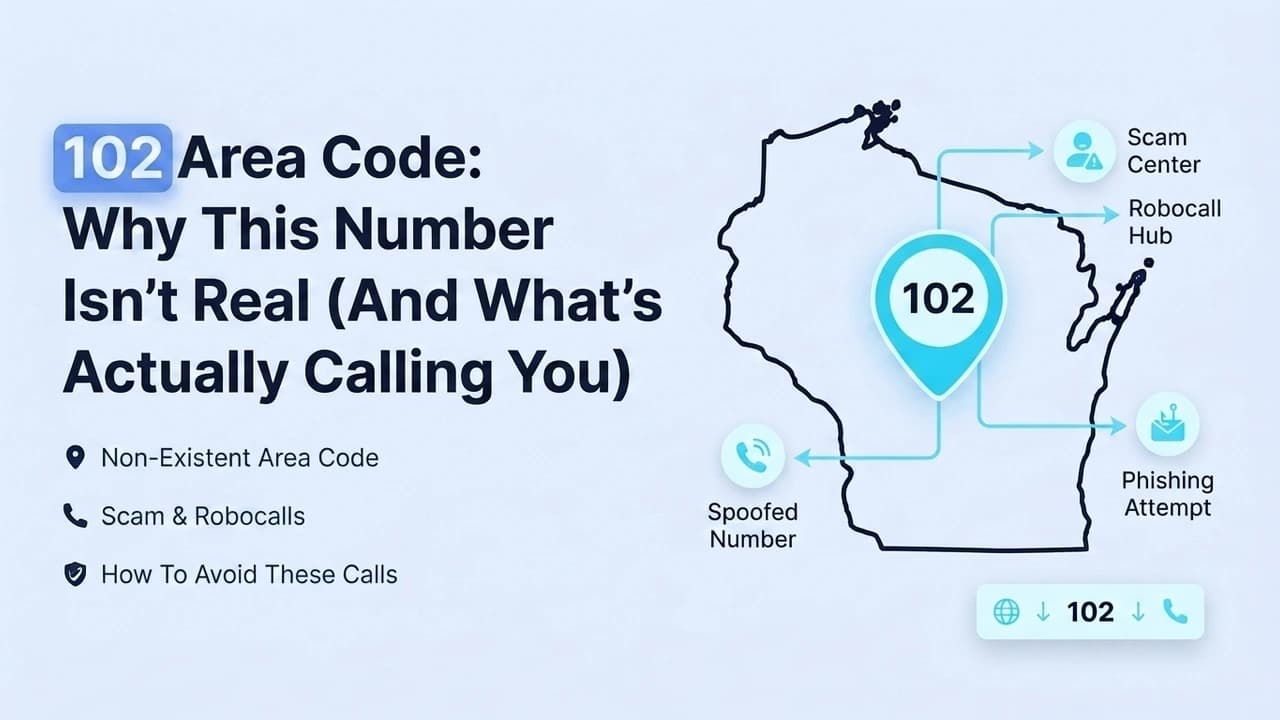
If your phone just flashed a call from the 102 area code, you are looking at a number the phone system was never designed to assign, no matter which carrier or app displayed it. That matters, because most people assume any three digits in the caller ID slot must belong to a real place. This guide covers exactly why the 102 area code fails the numbering rules, the surprisingly common office-phone reason it shows up anyway, and how a genuine code like area code 838 New York proves what a real assignment looks like. Stick with it, and you will never have to wonder about an unfamiliar prefix again.
Key Takeaways:
- The 102 area code has never been assigned to any city, state, or carrier in the United States or Canada.
- Its first digit breaks the North American Numbering Plan format before it even gets to the next two digits.
- Office phone systems commonly use short extensions like 100, 101, and 102, which can leak into caller ID during a misconfigured call.
- Area code 838 New York is a real, regulator-approved overlay, unlike the fabricated 102 prefix.
The One-Digit Rule That Keeps 102 Off Every Real Area Code List
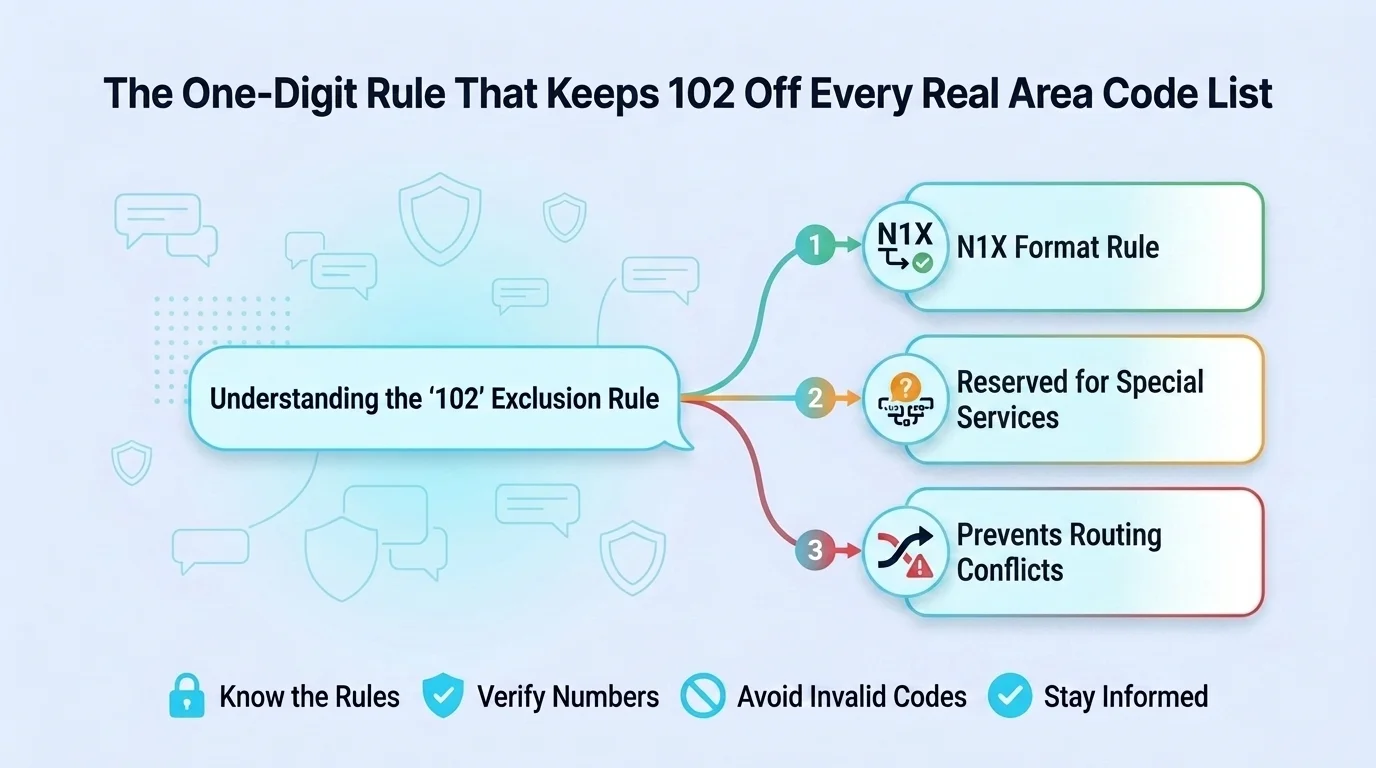
Every working area code in the United States and Canada follows one unbending rule, and the 102 area code breaks it immediately. Knowing this single rule lets you judge a number before you ever open a lookup tool, which saves time whenever an unfamiliar prefix flashes across your screen.
The Digit That Every Area Code Needs
The North American Numbering Plan requires every area code to open with a digit from 2 through 9. The digit 1 is reserved as the long-distance prefix dialed ahead of a ten-digit number, so nothing beginning with 1 — including 102 — can ever be a valid area code. This single formatting rule applies across every carrier, every state, and every country inside the plan, with zero regional exceptions.
Why This Rule Has Held for Decades
Regulators have kept this format since the numbering plan launched in the 1940s, specifically so switching equipment can instantly tell a long-distance prefix apart from a regional code. That consistency is exactly why the 102 area code has never appeared on any carrier's assignment list, in any decade, under any regional numbering plan revision. Even as newer overlay codes like area code 838 New York have been added to keep pace with demand, the first-digit rule itself has never once been relaxed.
Office Extensions Are the Real Reason 102 Shows Up on Caller ID
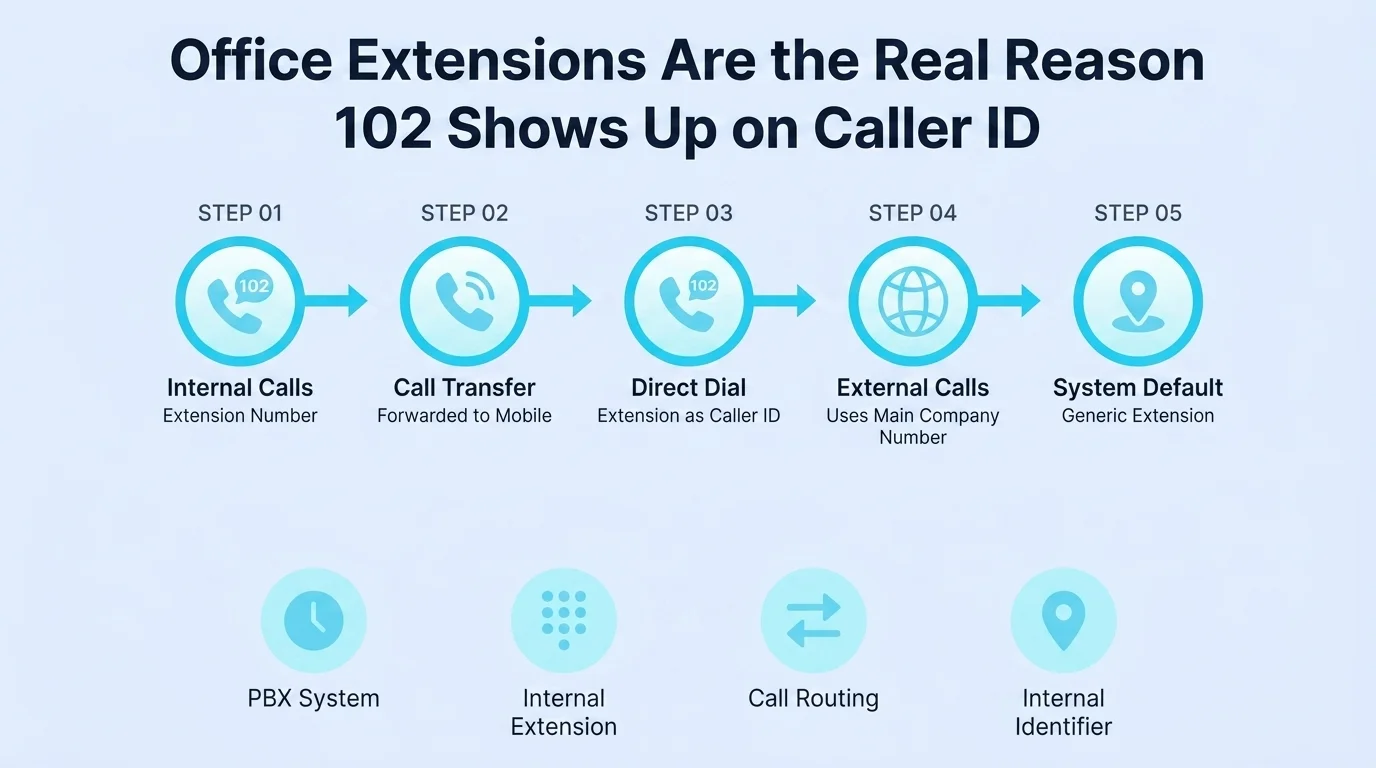
Most explanations for the 102 area code jump straight to scam warnings, but there is a more mundane culprit hiding in plain sight. Business phone systems are the most overlooked source of this exact three-digit prefix, and it happens more often than most IT teams realize, especially in smaller offices without a dedicated telecom administrator.
- Many office PBX and VoIP systems assign short internal extensions like 100, 101, and 102 to front-desk, reception, or general-inquiry lines by default.
- A misconfigured trunk or SIP gateway can pass that internal extension straight through as the caller ID, instead of the company's real outbound number.
- Call center software occasionally forwards a raw test extension during a system update or a carrier migration, producing the same effect on a wider scale.
- Once that mistake reaches your phone, it displays exactly like any other caller ID, complete with a fake-looking 102 area code up front and no way to trace it back manually.
- Smaller businesses running budget VoIP setups are especially prone to this, since fewer of them audit their outbound caller ID configuration regularly.
Is a Call From the 102 Area Code Something to Worry About?
A call showing the 102 area code is not automatically dangerous, but it does deserve a second look before you share anything sensitive. Context matters more than the number itself here, since the same prefix can point to two very different situations depending on what happens after you pick up.
Signs the Call Is Likely Spoofed
If the caller pressures you about a suspended account, unpaid taxes, or a locked device, treat the 102 area code as a red flag rather than a coincidence. Scripted urgency combined with an unassigned prefix is one of the clearest spoofing patterns there is.
When It's Probably Just a Misrouted Business Call
If the call goes silent, connects to hold music, or reaches a real receptionist, it was likely a misconfigured office extension rather than anything malicious. In that case, the safest move is simply hanging up and letting the business fix its own caller ID setup, since there is rarely anything useful you can do from your end.
New York's Northern Overlay: What the 838 Area Code Actually Covers
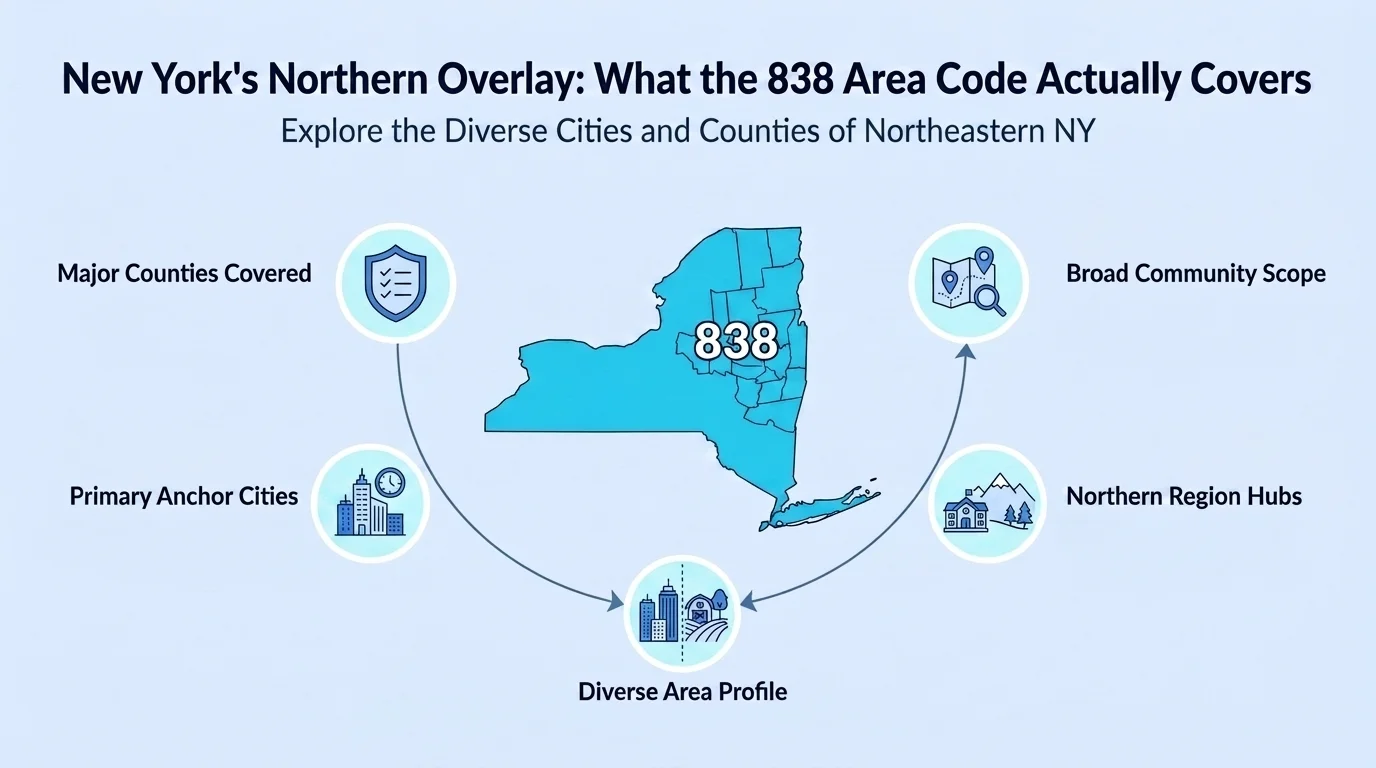
Seeing a real, regulator-approved code makes the gap with the 102 area code obvious. Area code 838 New York is a genuine overlay area code that the New York State Public Service Commission activated for the Albany, Schenectady, and Troy region after a full public review process, complete with published notices and a set implementation date.
- The overlay launched on September 19, 2017, layered directly over the existing 518 code to add fresh capacity.
- It covers the exact same counties as 518, without moving a single existing customer to a new number or a different rate plan.
- Ten-digit dialing is mandatory for every local call across both 518 and 838, a direct result of the overlay going live.
- New subscribers in the Capital Region may receive either code, joining the wider pool of New York numbers that share the same regulatory legitimacy.
4 Checks That Separate a Real Caller From a Fake Prefix
A short habit protects you far better than guessing whenever an unusual number lands on your screen. Run through these checks before calling back or sharing any information with an unfamiliar caller.
- Confirm the first digit falls between 2 and 9 — the 102 area code fails this instantly, so no further research is even needed.
- Search the full ten-digit number, not just the area code, in a reputable reverse lookup tool to see if others have reported it.
- Listen for signs of an internal office system, like hold music or an extension menu, before assuming the worst about the caller.
- Report persistent spoofed calls to your carrier or through the FCC guidelines for consumer complaints, so the pattern gets logged.
Keeping Business Caller ID Clean as Your Team Scales
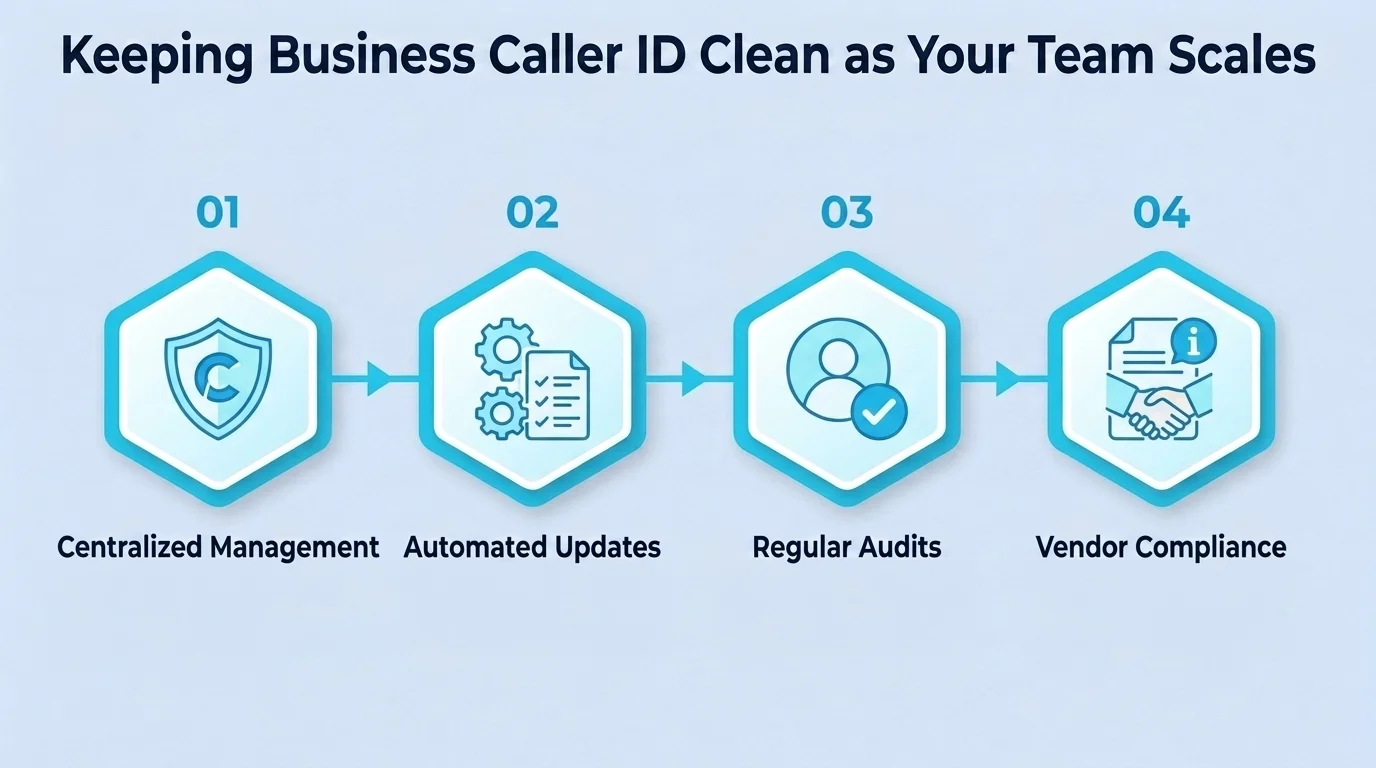
Businesses face the flip side of this problem: making sure their own outbound numbers never look like a misconfigured 102 area code to a customer. That mistake costs answered calls and trust in equal measure, especially for sales and support teams calling out at scale, where even a small drop in pickup rates adds up fast across hundreds of daily dials.
- Provision every outbound line through a carrier that assigns real, NANP-compliant numbers rather than raw internal extensions.
- Use STIR/SHAKEN-authenticated calling so your caller ID cannot be mistaken for spoofed or misrouted traffic by the receiving carrier.
- Choose local presence numbers, including legitimate overlays like area code 838 New York, so customers see a recognizable regional code every time.
- Rozper configures every business number so internal extensions never leak into outbound caller ID the way a misconfigured PBX can, even during migrations.
Rozper customers get this protection built into their call routing by default, which keeps every outbound call looking exactly as trustworthy as it should, whether the team is five people or five hundred.
Conclusion
The 102 area code will never show up in a legitimate carrier directory because it breaks the same first-digit rule every real area code must follow, and comparing it against area code 838 New York shows the difference clearly — one went through a full regulatory approval process, and the other was never issued at all. Most calls displaying it trace back to a leaked office extension or a spoofed number rather than any assigned regional carrier, so applying the same short verification habit to every unfamiliar number protects your time, your data, and your peace of mind going forward. Rozper builds that same clarity into every number it provisions, so your business never sends a confusing caller ID by accident. Start applying these checks today, and unfamiliar prefixes like a stray 102 area code stop being a mystery.
FAQs
Is 102 a real area code anywhere in North America?
No, this prefix does not exist in the US or Canadian numbering system. It fails the basic NANP rule requiring every area code to start with a digit between 2 and 9.
Why does my caller ID sometimes show 102 as the area code?
The most common cause is a misconfigured office phone system passing an internal extension number through as the outbound caller ID. Spoofing software can also display it deliberately to appear unusual.
Should I answer a call showing this prefix?
Answering is generally safe, but never share personal or financial details with a caller you cannot verify. Hang up and call the organization back directly if anything feels off.
Does the 838 overlay cost more than 518 to call in New York?
No, the 838 overlay shares identical rates and coverage with 518 in New York, since it is an overlay, not a separate pricing region. Every local call requires ten-digit dialing either way.
How can I stop my own business numbers from looking suspicious?
Work with a provider that issues verified, carrier-grade numbers backed by STIR/SHAKEN authentication instead of raw internal extensions. Rozper builds this protection into every number it provisions for growing teams.